

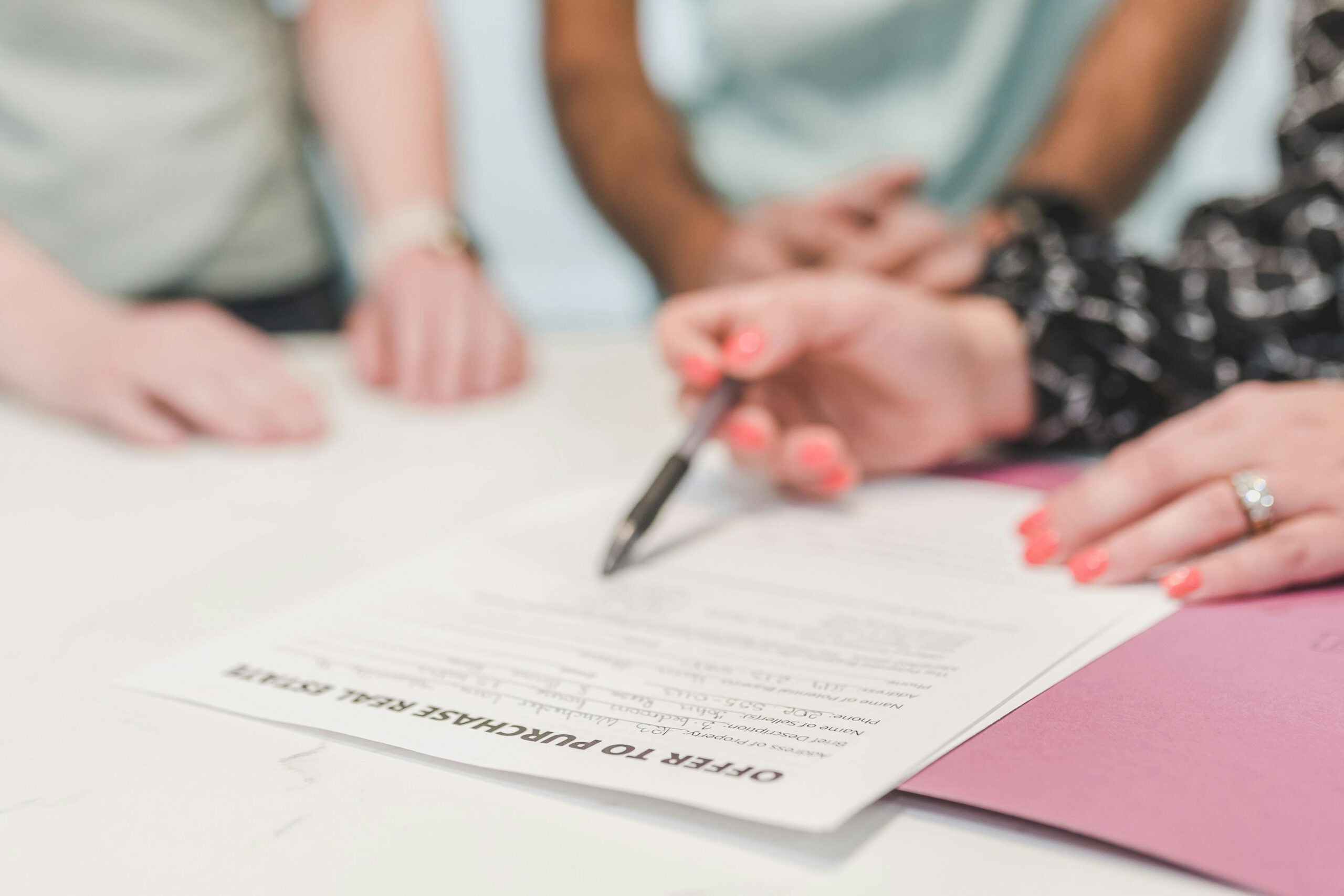

What Happens When a Seller Refuses to Leave a Home After Closing in Mississippi?
Buying a home should end with getting the keys and moving in. But what happens when closing is complete, the money has changed hands, and the seller refuses to leave?
For Mississippi homebuyers, this situation can create unexpected expenses and legal complications. A buyer may already be making mortgage payments, paying for temporary housing, or waiting to move furniture into a home they legally own. The next steps depend largely on the purchase agreement, the agreed possession date, and whether the seller has any remaining right to occupy the property.
Closing and Possession Are Not Always the Same Thing
Closing transfers ownership of the property, but it does not always mean the buyer receives immediate possession. Some purchase agreements allow sellers to remain in the home for a specified period after closing, often through a post-closing occupancy agreement.
These arrangements can give sellers additional time to complete a move or purchase another home. Problems arise when the seller stays beyond the agreed deadline or refuses to surrender possession.
The purchase agreement and any signed occupancy addendum should establish when the buyer is entitled to take possession. They may also address daily occupancy charges, security deposits, responsibility for damage, and penalties for failing to vacate.
Without clear terms, determining the buyer’s available remedies can become more complicated.
What Legal Options Does a Mississippi Buyer Have?
When a seller refuses to leave after the agreed possession date, the buyer may have several options depending on the circumstances.
A written demand to vacate may be an appropriate first step. This establishes that the buyer expects possession and gives the seller an opportunity to resolve the situation without litigation.
If the seller continues occupying the property, legal action may become necessary. Mississippi law provides procedures for recovering possession from certain occupants, including holdover tenants under Mississippi Code § 89-7-27. However, a former seller is not automatically treated as a tenant simply because they remain in the home after closing.
The proper legal procedure depends on the parties’ agreement and the nature of the seller’s continued occupancy. In some cases, the dispute may require a civil action to enforce the purchase agreement or recover possession.
Buyers should avoid changing locks, removing the seller’s belongings, or shutting off utilities without legal guidance. Taking matters into their own hands can create additional legal problems.
Can the Buyer Recover Money for the Delay?
A seller’s refusal to vacate can create expenses that go well beyond inconvenience. Buyers may face additional moving costs, temporary lodging expenses, storage fees, or overlapping housing payments.
Whether those losses are recoverable depends on the contract, the seller’s conduct, and the evidence supporting the claim.
Some post-closing occupancy agreements establish a daily charge for remaining in the property beyond the agreed date. Others may provide remedies for breach of contract.
Even without a specific penalty provision, a buyer may have grounds to seek compensation for losses caused by a seller’s failure to deliver possession. However, recovery is not automatic, and the buyer must generally establish a legal basis for the claim and document the resulting damages.
Protect Yourself Before and After Closing
One of the best ways to avoid a post-closing possession dispute is to address occupancy before signing the final documents.
Buyers should confirm the possession date, conduct a final walkthrough when appropriate, and make sure any agreement allowing the seller to remain after closing is documented in writing.
If the seller has already missed the deadline, preserve the purchase agreement, closing documents, written communications, and receipts for expenses caused by the delay.
At O’Brien Law Firm, LLC, we help Mississippi buyers and sellers understand their real estate contracts and address problems that arise during property transactions. If a seller has refused to leave a home after closing, call us at 662-672-7619 or reach out through our contact form to discuss your options.
